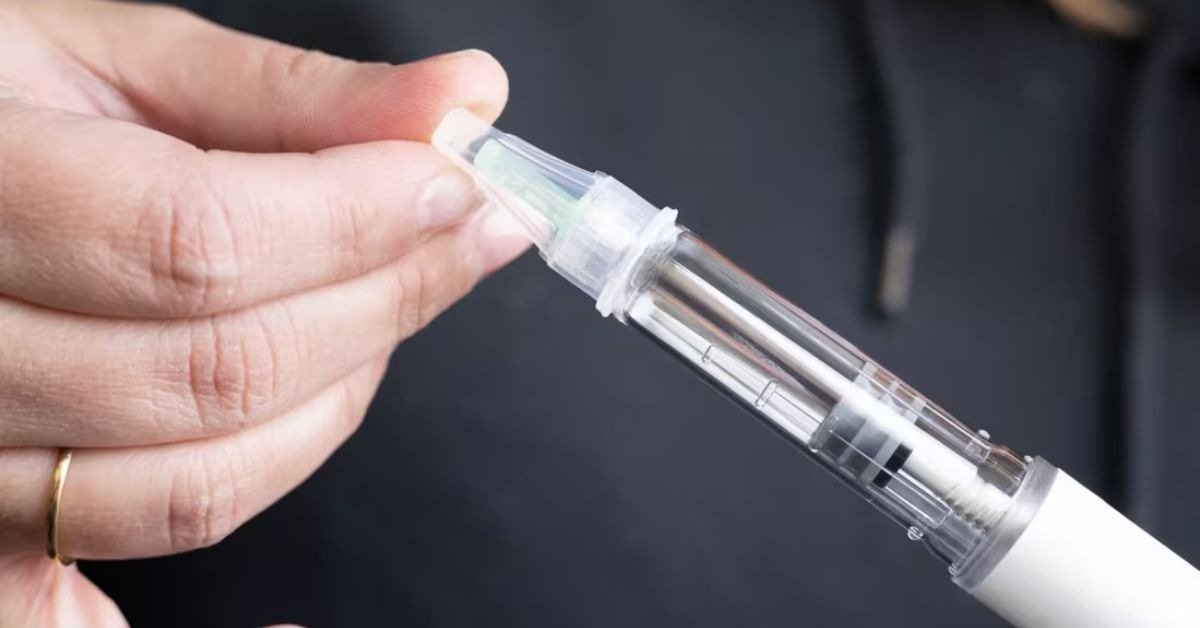
Zepbound is a prescription medication containing tirzepatide that can support weight management by influencing the biological signals involved in hunger and food intake. It activates GIP and GLP-1 receptors, which are involved in appetite regulation, feelings of fullness, and metabolic processes. Zepbound is used alongside a reduced-calorie diet and increased physical activity for eligible adults managing obesity or overweight with certain weight-related health conditions.
Appetite control can be an important part of weight management because frequent hunger, large portions, and food cravings can make it difficult to maintain healthy eating habits. By influencing appetite-related pathways, Zepbound may help some people feel satisfied with less food and reduce their overall calorie intake. Individual responses can vary, so treatment should be guided by a qualified healthcare provider.
How Zepbound Affects Appetite
Zepbound contains tirzepatide, which activates two hormone receptors known as GIP and GLP-1. These receptors play roles in regulating appetite, food intake, and other metabolic functions. Through these pathways, tirzepatide can influence signals that tell the body when it is hungry and when it has had enough food.
The medication can decrease calorie intake, which is believed to be related to its effects on appetite. Some people taking Zepbound may notice that they feel full sooner during meals or have less interest in eating between meals. These changes can make it easier to follow a reduced-calorie eating pattern.
Zepbound does not simply prevent a person from eating. Instead, it works through biological pathways involved in appetite regulation. The degree of appetite reduction can differ from one person to another, and some people may notice changes sooner than others.
See also: Mutf_In: Max_Life_Dive_11rjv1a
Zealthy and Appetite-Focused Weight Management
Zealthy provides online medical weight management for eligible patients who may be considering prescription treatment. Through an online health assessment, a licensed healthcare provider can review relevant information about a patient’s health, weight management history, medications, and treatment goals.
For patients who are prescribed Zepbound, appetite control can become one part of a broader weight management plan. Nutrition, physical activity, coaching, progress tracking, and ongoing medical guidance can all contribute to the overall approach.
Medication is not intended to replace healthy habits. Zepbound is designed to be used alongside a reduced-calorie diet and increased physical activity. Combining these elements can help create a more sustainable approach to managing weight over time.
Feeling Full With Smaller Portions
One noticeable effect of improved appetite control can be greater satisfaction from smaller portions. Someone who previously needed larger meals to feel full may find that a smaller amount of food feels sufficient while taking Zepbound.
This can make calorie reduction easier to maintain. Rather than constantly trying to resist hunger, some people may naturally feel less interested in large portions or frequent snacks.
Zepbound also affects gastric emptying, meaning food can move more slowly from the stomach into the digestive system. This effect may contribute to feelings of fullness, although appetite regulation involves several different processes.
Because the medication can affect digestion, some people may experience gastrointestinal side effects, particularly when beginning treatment or increasing the dose.
Can Zepbound Reduce Food Cravings
Hunger and food cravings are related but are not exactly the same. Hunger is a biological signal that the body needs food, while a craving can involve a strong desire for a particular food even when a person is not physically hungry.
By influencing appetite-related pathways, Zepbound may help some people experience less interest in eating or fewer urges to snack. This can make it easier to make planned food choices and maintain appropriate portions.
However, Zepbound does not necessarily eliminate cravings completely. Food preferences, habits, emotions, stress, sleep, and the surrounding environment can all influence eating behavior. Medication can support appetite management, while healthy routines can help address other factors affecting food choices.
Why Calorie Intake May Decrease
One reason Zepbound can support weight management is its effect on calorie intake. When hunger decreases and meals become more satisfying, a person may naturally eat less food throughout the day.
Reduced calorie intake can contribute to a calorie deficit, which is necessary for weight loss. Zepbound can make this process easier for some people by reducing the biological drive to eat larger amounts of food.
The goal is not to consume as little food as possible. Adequate nutrition remains important during weight loss. Meals should provide sufficient protein, fiber, vitamins, minerals, and other nutrients needed for overall health.
Appetite Changes Can Vary Between People
Not everyone experiences the same degree of appetite suppression with Zepbound. Some people may notice changes in hunger relatively early, while others may experience a more gradual response.
The dosage can also affect how a person responds to treatment. Zepbound treatment generally begins with a lower dose and can be increased gradually according to the prescribed treatment plan. This allows the body to adjust while the healthcare provider evaluates response and tolerability.
It is important not to increase the dose independently because a higher dose is not automatically better for every patient. Your provider can determine whether a dosage adjustment is appropriate based on your individual circumstances.
Zepbound Does Not Eliminate Normal Hunger
The purpose of appetite control is not to eliminate hunger completely. Hunger is a normal biological signal, and the body still needs adequate food and nutrients even when appetite is reduced.
Some people may interpret reduced appetite as a reason to skip meals or eat extremely small amounts. However, excessive food restriction can make it harder to obtain adequate nutrition and may affect energy levels.
A balanced eating pattern remains important during treatment. Protein-rich foods, vegetables, fruits, whole grains, legumes, and healthy fats can provide important nutrients while supporting a reduced-calorie approach.
If your appetite becomes so low that eating or drinking enough becomes difficult, discuss the situation with your healthcare provider.
The Importance of Nutrition During Treatment
Zepbound can make calorie reduction easier, but food quality still matters. When appetite decreases, choosing nutrient-dense foods can help ensure that smaller meals provide meaningful nutrition.
Protein can be particularly important during weight loss because maintaining muscle strength and function is an important consideration. Fiber-rich foods can also support fullness and digestive health.
Rather than relying on extreme dieting, many people can benefit from creating eating habits that are practical and sustainable. The goal is to develop a routine that can continue as part of everyday life.
Zealthy includes nutrition support within its online weight management services for eligible patients. This can help patients work on eating habits while receiving provider-guided prescription treatment.
Physical Activity Still Plays a Role
Appetite control is only one part of weight management. Zepbound is intended to be used with increased physical activity, so regular movement remains an important part of treatment.
Walking, cycling, swimming, strength training, and other forms of exercise can support overall health while complementing changes in food intake. The appropriate level of activity depends on individual health, fitness, and physical abilities.
Someone who has not exercised regularly may benefit from starting with manageable activities and gradually increasing movement. Consistency can be more sustainable than following an intense routine that is difficult to maintain.
When Appetite Changes May Become Noticeable
There is no exact timeframe for when every person will experience appetite changes with Zepbound. Some people may notice differences in hunger during the early stages of treatment, while others may need more time.
Zepbound is administered once weekly, and treatment typically begins at a lower dose before progressing to an appropriate maintenance dose. Because dosage is increased gradually, the effects on appetite and weight can develop over time.
For this reason, it may not be useful to judge the medication based only on the first few injections. Your healthcare provider can assess your progress over time and determine whether the current treatment remains appropriate.
Common Side Effects to Consider
Zepbound can cause side effects, particularly involving the digestive system. Common reactions may include nausea, diarrhea, vomiting, constipation, abdominal discomfort, indigestion, and other gastrointestinal symptoms.
These effects can be more noticeable when treatment starts or when the dosage is increased. Many side effects may become easier to manage as the body adjusts, but severe or persistent symptoms should be discussed with a healthcare professional.
Zepbound also has important safety considerations, so a healthcare provider should review your medical history before treatment begins. Tell your provider about existing health conditions, allergies, and all medications you currently take.
What If Appetite Suppression Feels Too Strong
Reduced appetite can support weight management, but excessive appetite suppression can become a concern if you have difficulty eating or drinking enough. Persistent nausea, vomiting, or other digestive symptoms may also require medical attention.
Do not change your dosage on your own if you feel that the medication is too strong. Your healthcare provider can evaluate your symptoms and determine whether your treatment should be adjusted.
Medical supervision helps balance the potential benefits of appetite control with adequate nutrition, hydration, and overall well-being.
Appetite Control and Long-Term Weight Management
Managing appetite can be particularly useful for long-term weight management. Reducing calorie intake may be easier when persistent hunger is less difficult to manage, but maintaining healthy habits remains important.
Zepbound can provide ongoing support for appetite management while it is used as prescribed. Clinical research has shown significant average weight loss among people using tirzepatide alongside lifestyle changes.
Long-term weight management still involves more than medication. Eating habits, physical activity, sleep, stress management, and regular medical follow-up can all influence progress.
The aim is to create a sustainable approach rather than relying solely on short-term appetite suppression.
How Zealthy Can Support Your Treatment
Zealthy offers online medical weight management for eligible patients who are interested in prescription treatment. The process can begin with an online health assessment, allowing a licensed healthcare provider to review relevant health information and determine whether treatment may be appropriate.
If Zepbound is considered medically suitable, patients can receive provider-guided treatment and ongoing support. Questions about appetite changes, side effects, weight progress, nutrition, or physical activity can be discussed with the care team.
Zealthy also combines prescription care with coaching, nutrition and fitness support, and progress tracking. This broader approach can help patients focus on sustainable habits while using medication as part of their overall weight management plan.
Final Thoughts
Zepbound can support appetite control by activating GIP and GLP-1 receptors involved in appetite regulation and food intake. Tirzepatide may help some people feel fuller with smaller portions, reduce hunger, and lower overall calorie intake.
The response is different for every person, and appetite changes may develop gradually as treatment progresses. Zepbound should be used according to a healthcare provider’s instructions and alongside a reduced-calorie diet and increased physical activity.
Nutrition remains important even when appetite is lower. Choosing nutrient-dense foods, maintaining adequate protein and fluids, and staying physically active can complement the effects of treatment.
Zealthy provides online medical weight management for eligible patients, combining provider-guided prescription treatment with coaching, nutrition and fitness support, and progress tracking. If you are considering Zepbound, a licensed healthcare provider can determine whether it is appropriate for your health needs and help you develop a suitable treatment plan.